


In the ever-evolving world of gaming, Fortnite has taken the esports scene by storm, turning casual players into competitive warriors. With its vibrant graphics and fast-paced gameplay, it’s no wonder that esports teams are scrambling to assemble their squads. These teams aren’t just playing for bragging rights; they’re battling for glory and, of course, a hefty slice of the prize pool.
Imagine a group of gamers, huddled together in a virtual battlefield, strategizing their every move while munching on snacks. It’s not just a game; it’s a lifestyle. From the sweat of the keyboard to the thrill of victory, Fortnite esports teams embody the spirit of competition and camaraderie. So, whether you’re a die-hard fan or just curious about the hype, dive into the world of Fortnite esports teams and discover what makes them the ultimate champions of the gaming universe.
Fortnite Esports Teams
Fortnite esports teams consist of players from diverse backgrounds collaborating to compete in high-stakes tournaments. Teams often include a mix of skilled individuals, each specializing in various gameplay elements like building, shooting, and strategy. Success requires teamwork, communication, and individual talent.
Competition occurs globally, with leading esports organizations fielding dedicated Fortnite squads. These teams participate in events such as the Fortnite World Cup and the FNCS (Fortnite Champion Series), which feature substantial prize pools. For instance, the 2019 Fortnite World Cup offered a total prize pool of $30 million, underlining the game’s financial allure.
Renowned teams like FaZe Clan, Team Liquid, and TSM consistently rank among the top competitors. Each organization invests heavily in training and resources to improve its players’ performance. Many teams also have coaches and analysts who focus on strategizing during matches.
Fan engagement thrives through social media platforms, where teams often showcase highlights and personal interactions. Players stream their gameplay on platforms like Twitch and YouTube, allowing fans to connect more personally with the teams and their members. This interaction boosts the visibility of both the players and their respective organizations.
Ultimately, Fortnite esports teams exemplify the growing convergence of gaming, competition, and entertainment. They contribute to the vibrant esports ecosystem and inspire a new generation of gamers to embrace competitive play.
Notable Fortnite Esports Teams
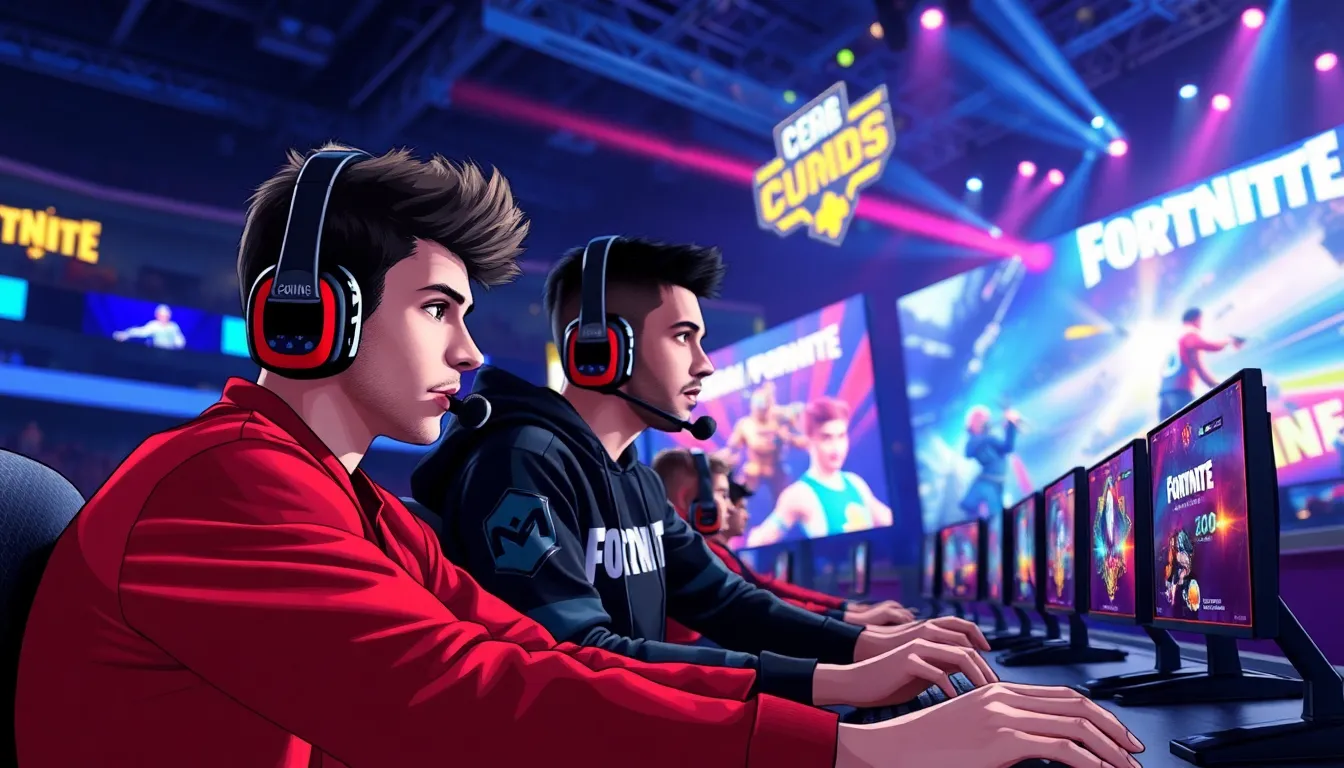
Fortnite’s esports scene features several prominent teams excelling in competitive gameplay. These organizations showcase talent, dedication, and strategic collaboration in high-stakes tournaments.
Team SoloMid
Team SoloMid, often referred to as TSM, ranks among the top Fortnite esports teams. This team is known for its strong roster of players who consistently perform well in tournaments. Recent successes include significant placements in the Fortnite Champion Series and other major events. TSM invests heavily in player development, offering resources like coaching and performance analysis. Their fan engagement is impressive, utilizing platforms like Twitch and YouTube to connect with followers. They attract attention not only for their gameplay but also for their charismatic personalities.
FaZe Clan
FaZe Clan stands out as an iconic name in the esports industry. With a diverse lineup of Fortnite players, this team frequently secures top spots in competitions. FaZe Clan’s involvement in Fortnite goes beyond gameplay, focusing on building a brand that resonates with gamers worldwide. Their unique blend of talent and entertainment captivates audiences, drawing in fans with their engaging content. The organization emphasizes teamwork and strategy, which play crucial roles in their success. Competing in various prestigious tournaments, FaZe Clan consistently offers thrilling performances that highlight their skills.
Ninjas in Pyjamas
Ninjas in Pyjamas, widely known as NiP, brings a rich legacy to the Fortnite scene. Established in 2000, this organization transitioned from traditional esports to success in Fortnite. NiP’s roster features skilled players known for their innovative strategies and gameplay techniques. High-level performance in competitions like FNCS showcases their agility and adaptability. Community engagement is a hallmark of their approach, as they actively promote the brand through social media and streaming channels. Their commitment to fostering talent reflects a strong desire to compete at the highest levels in the esports landscape.
Team Structures and Management
Fortnite esports teams feature structured management systems that aim to enhance performance and competitiveness. These organizations prioritize various roles that contribute to overall success.
Coach Roles and Responsibilities
Coaches play vital roles in developing player skills and strategies. They analyze gameplay to refine tactics and optimize performance. Setting training schedules and providing feedback are essential tasks that elevate team coordination. Enhancing communication among players often falls under their responsibilities, fostering a cohesive unit. Coaches also scout opponents, identifying weaknesses to exploit during matches. Their leadership shapes team dynamics and instills a winning mentality, which is crucial in high-stakes environments.
Player Recruitment Strategies
Recruiting top talent remains a foundational aspect of esports teams. Organizations often utilize scouting events, online tournaments, and social media to discover potential players. Evaluating player performance metrics helps teams identify individuals who excel in specific roles. Interviewing recruits for character and teamwork skills ensures compatibility within the team environment. Building relationships with upcoming players fosters loyalty and commitment, making it easier to secure promising talent. Successful recruitment not only boosts competitive edge but also enhances team branding within the esports community.
Competitive Events and Tournaments
Fortnite esports thrives on a diverse array of competitive events and tournaments that engage players globally. Major tournaments attract teams and fans alike, creating excitement around gameplay and strategies. Epic Games organizes high-stakes competitions such as the Fortnite World Cup and the Fortnite Champion Series (FNCS), featuring multi-million dollar prize pools. The 2019 Fortnite World Cup, for instance, had an impressive $30 million up for grabs.
The FNCS serves as a platform for players to prove their skills. Each season culminates in finals where top teams compete for substantial cash prizes. Player performance in these tournaments often reflects months of preparation and rigorous training, emphasizing the level of dedication required to excel.
Notable esports teams participate in numerous tournaments throughout the year, solidifying their reputations within the community. Teams like FaZe Clan and TSM consistently rank among the best, showcasing talent through multiple events. Their success stems not only from individual skill but also effective teamwork and strategic collaboration.
Streamed live on platforms like Twitch and YouTube, these tournaments captivate audiences worldwide. Fans eagerly follow their favorite teams, contributing to the vibrant esports culture surrounding Fortnite. Engagement boosts team visibility and fosters strong connections between players and their supporters, ensuring continued interest in competitive gaming.
Furthermore, teams often analyze past performances to refine strategies for future competitions. Coaches play a pivotal role in this process, developing tailored training regimens that enhance player skills. Success in Fortnite esports rests heavily on this combination of team dynamics, strategy, and audience engagement, driving the industry’s growth and popularity.
Future of Fortnite Esports Teams
Fortnite esports teams are positioned for significant growth as the gaming industry expands. Teams are already exploring creative partnerships, enhancing their brands through collaborations with non-endemic companies. Strategies that emphasize audience engagement play a crucial role in attracting new fans and sponsors alike.
Viewership for Fortnite tournaments is expected to increase as more fans tune in for live competitions. A robust online presence, including streaming and social media, helps teams connect with a broader audience. Collaborations with content creators amplify visibility and strengthen community ties.
Technological advancements will likely impact how teams train and compete. Enhanced analytics tools provide valuable insights into player performance and strategies. Data-driven insights contribute to refining gameplay, creating a competitive advantage.
Major tournaments, such as the Fortnite World Cup and FNCS, will continue to evolve. Prize pools may grow, enticing elite players and teams. Epic Games is committed to fostering a competitive environment, ensuring the sustainability of professional Fortnite.
Emerging talent is reshaping the landscape of Fortnite esports. Organizations actively scout players in online tournaments and community events, seeking fresh skills and innovative strategies. Recruiting diverse talent enriches team dynamics and performance.
Integration of educational resources within organizations supports player development. Coaches focus on mentoring players, helping them improve both in-game skills and teamwork. A strong support system enhances individual and team capabilities.
Community engagement remains vital for the success of Fortnite esports teams. Fans are crucial in sustaining interest and participation, meaning that teams must prioritize building connections. Engaging content, regular communication, and interactive activities promise to maintain excitement around Fortnite esports.
Conclusion
Fortnite esports teams are at the forefront of a dynamic gaming revolution. Their blend of skill teamwork and strategic depth creates a thrilling environment for both players and fans. As these teams continue to evolve and adapt to the ever-changing landscape of competitive gaming the future looks bright.
With growing viewership and increased prize pools the excitement surrounding Fortnite tournaments is likely to reach new heights. Organizations are not only investing in player development but also in engaging with their communities. This commitment helps build a loyal fanbase and fosters a vibrant esports culture.
As Fortnite continues to captivate players worldwide the teams representing this iconic game will undoubtedly leave a lasting mark on the esports scene.